Not long ago, robots belonged behind glass walls on factory floors, performing repetitive tasks out of sight. Today, they are stepping out into the real world, moving through warehouses, assisting in surgeries, delivering packages, and even helping care for the elderly.
The shift is happening faster than most people realise.
The most recent global data shows that around 542,000 industrial robots were installed in a single year, marking the fourth straight year that installations have crossed half a million. Industry estimates suggest this number is set to rise further, with annual installations expected to approach 575,000 in the near term. The total number of robots now in operation worldwide has reached about 4.66 million, steadily rising over the past decade.
What was once a specialised tool for large manufacturers is now becoming part of everyday business.
But the bigger change is not how many robots there are. It is what they can do.
Smarter, not just faster
For years, robots were valued for precision and speed. They did the same task again and again, without deviation. That is no longer enough.
Advances in artificial intelligence are giving robots the ability to "see", interpret, and respond. In warehouses, machines now navigate complex layouts, avoid obstacles, and optimise routes in real time. In hospitals, robotic systems assist surgeons with procedures that demand extreme precision. In logistics, fleets of autonomous machines sort, lift, and move goods with minimal human intervention.
This new generation of robots is not just following instructions. It is making decisions, within defined limits, and learning from data.
That shift is opening the door to entirely new uses.
Beyond the factory floor
One of the most noticeable changes is where robots are showing up.
Warehousing and logistics have become major growth areas, driven by e-commerce and the need for faster deliveries. Autonomous mobile robots are now a common sight in large fulfilment centres, quietly moving goods from one point to another.
Healthcare is another fast-growing space. Robots are being used in surgery, rehabilitation, and elder care. In ageing societies, machines are beginning to support caregivers, helping patients with mobility, monitoring vital signs, or simply providing assistance with daily routines.
Even hospitality and retail are experimenting with robotics, from automated check-ins to service assistants.
This expansion beyond manufacturing is changing the public's relationship with machines. Robots are no longer distant or invisible. They are becoming part of daily life.
Asia leads, but others are catching up
The growth of robotics is not evenly spread.
Asia dominates the landscape, accounting for about 74% of all new robot installations, with China leading by a wide margin.
At the same time, countries like Japan and South Korea remain leaders in industrial automation, while the United States is pushing ahead in AI-driven robotics.
India is still a smaller player, but it is growing quickly. Installations have been rising steadily, especially in automotive and electronics. More importantly, adoption is spreading to new sectors, reflecting a broader shift in how businesses think about automation.
The money is following the shift
Investment patterns tell their own story.
Instead of chasing futuristic, human-like robots, investors are putting money into machines that solve specific problems. Startups building warehouse robots, delivery systems, and healthcare devices are attracting significant funding.
In recent years, billions of dollars have flowed into robotics companies, much of it focused on practical, scalable solutions rather than headline-grabbing prototypes.
This signals a maturing industry. The focus is moving from what robots could be to what they can already do.
A new kind of competition
Robotics is also becoming a strategic priority for governments.
Control over key technologies such as sensors, chips, and AI software is increasingly seen as critical. Countries are investing to secure their position, not just in manufacturing, but in the technologies that power intelligent machines.
This has led to a subtle but important shift. Robotics is no longer just an industrial story. It is tied to national competitiveness, supply chain resilience, and long-term economic strength.
What's holding things back
Despite the momentum, there are real constraints.
Cost remains a hurdle, especially for smaller businesses. While prices are coming down, deploying advanced robotic systems still requires significant investment.
There is also a growing gap in skills. As robots become more capable, the need for people who can program, maintain, and manage them is rising. Many industries are struggling to keep up.
And then there are questions that go beyond technology. As robots move into public and personal spaces, concerns around safety, trust, and accountability are becoming more pressing.
A quiet shift, with lasting impact
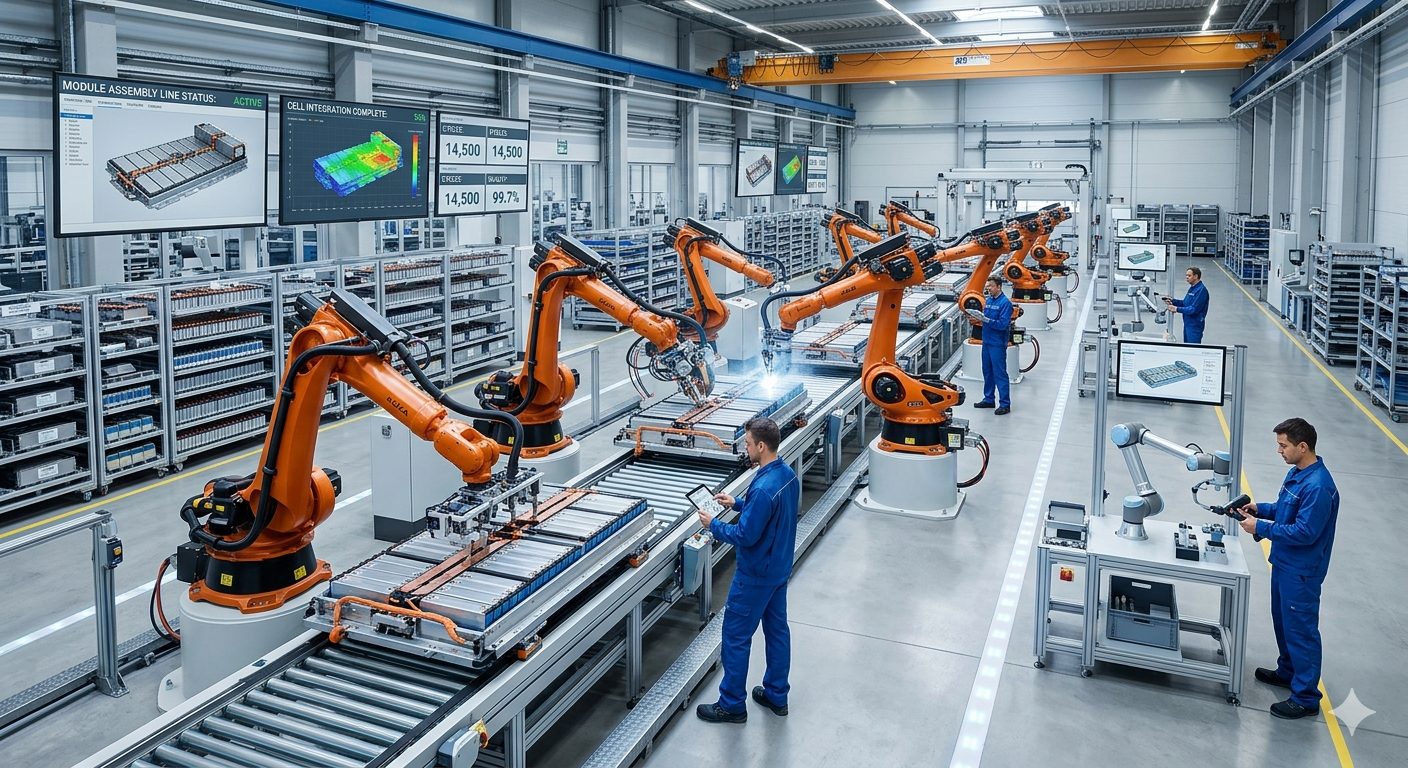
The rise of robotics is not happening with the kind of drama often associated with technological change. There are no sudden disruptions or overnight transformations. Instead, it is unfolding steadily, almost quietly.
A warehouse becomes more efficient. A hospital adopts a new surgical system. A logistics network speeds up deliveries. Each change is small on its own, but together they add up to something much larger.
What is emerging is a world where machines are not just tools, but collaborators. They handle repetitive work, assist in complex tasks, and free up human effort for more creative and strategic roles.
The idea of robots as distant, futuristic entities is fading. In its place is something more immediate and far more practical.
They are here, they are working, and they are becoming part of how the world runs.