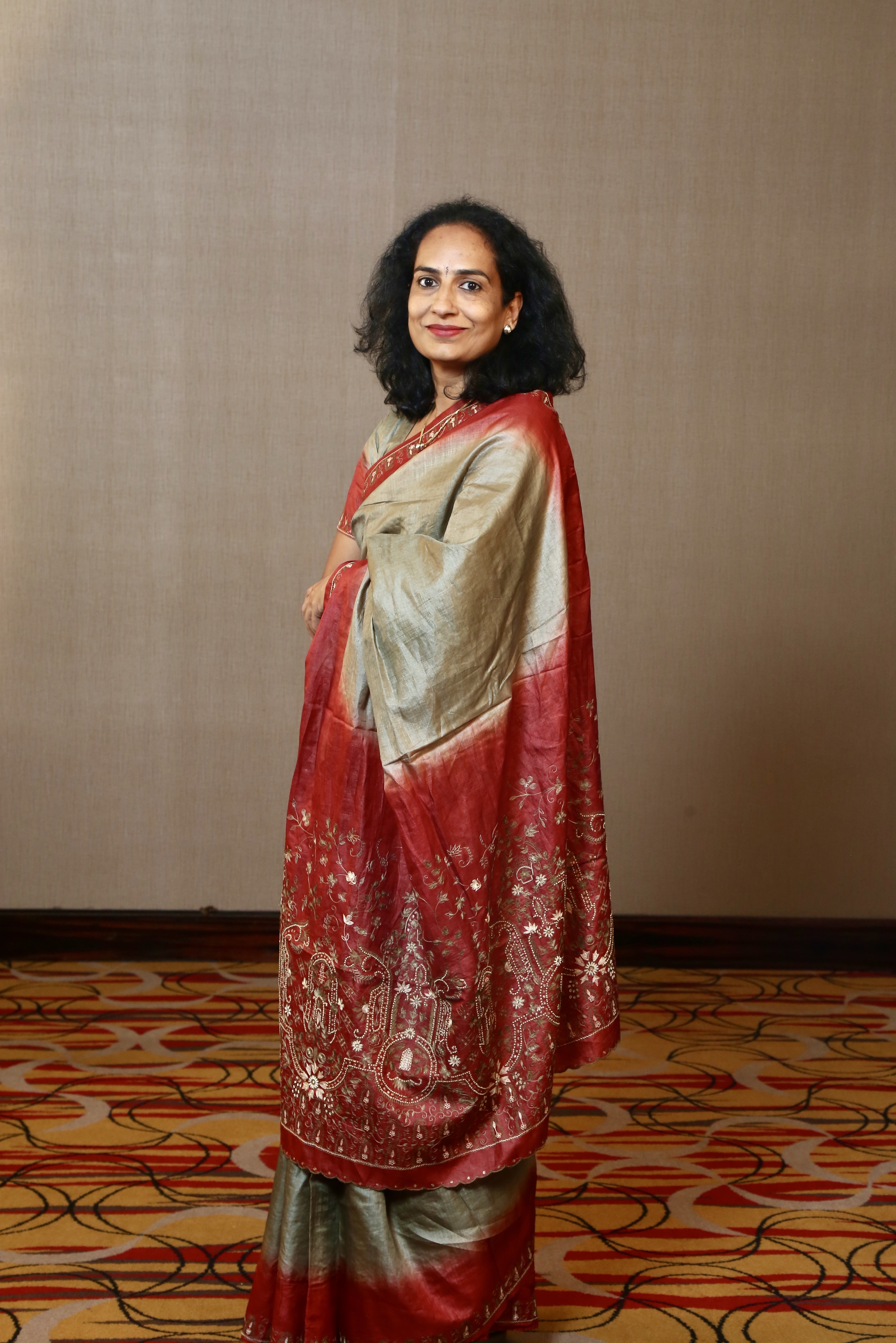
Picture a young woman fresh out of engineering college, her grades among the best in her class. Manufacturing, though, is rarely her first choice. It still carries the image of being tough, gritty, and somehow not meant for her. Aditi Sharma wants to change that perception.
With decades of experience on shop floors, including her time at Schneider, and now as the head of ASSOCHAM's National Council on Manufacturing, she has seen it all. The biases, the breakthroughs, the quiet struggles, and the big wins. Now, she is speaking openly about what needs to change to bring more women into this crucial sector driving India's growth.
Cracking the Mindset Barrier
According to Sharma, the biggest hurdle starts in the mind. Manufacturing is simply not presented as a welcoming space for women in schools or career conversations. As a result, even the brightest students often choose different paths.
Those who do enter the field often find themselves on the outside looking in. Informal discussions and late-night decision-making circles can exclude them, making it harder to influence outcomes or feel fully included.
On the shop floor, biases show up quickly. Many still view manufacturing as physically demanding work suited only for men. Instead of asking women if they are willing to take on the challenge, assumptions are made for them. Sharma points out that capability is not the issue. Women consistently perform at the top academically. The real barrier is the outdated belief that certain roles belong to men.
When Life Events Shape Perception
As women move into phases like marriage and motherhood, perceptions become even more rigid. Companies often assume they will step back from their careers instead of exploring flexible solutions like remote work, part-time roles, or childcare support.
Sharma experienced this herself. With no extended family support and limited childcare options in India at the time, she had to take career breaks. What made the difference was working with organizations that understood these challenges and built policies to support women during this phase of life.
In fact, some of these companies now have 50 to 60 percent women in leadership roles. The takeaway is simple: when organizations support women through life transitions, they do not lose talent, they strengthen it.
Even then, doubts persisted. Questions about whether she could handle leadership roles with young children followed her. What helped her push through was having a strong mentor who stood by her and organizations that valued her potential over her personal circumstances.
Climbing to Leadership Roles
For women aiming to move into plant head or CXO roles, Sharma highlights three essentials.
First is self-belief. You have to raise your hand and say you are ready, even if you feel only partially prepared.
Second is having a mentor who backs you and supports your growth.
Third is organisational commitment. Companies need to actively prioritise hiring and promoting capable women.
But it is not just about systems. Women also need to step forward, take on additional responsibilities, and participate in strategic conversations. Sharma encourages women to adopt a proactive approach, much like their male counterparts who often take initiative beyond their defined roles.
Basic infrastructure also matters. Gender-neutral workplaces, equal pay, and unbiased hiring practices are foundational. Once these are in place, opportunities begin to open up naturally.
ASSOCHAM's Role in Driving Change
Sharma's journey at ASSOCHAM has shown her the importance of collaboration between industry and policymakers. Real change happens when both sides work together rather than in isolation.
ASSOCHAM acts as a bridge, helping address regulatory challenges that can discourage global investment. By facilitating dialogue and aligning goals, it has helped make India a more attractive manufacturing destination.
For Sharma, this work is deeply personal. It is about turning ideas into real opportunities through inclusive policies and committed leadership.
Technology Changing the Game
Technology is quietly transforming manufacturing into a more inclusive space. Automation, AI, and digital systems are reducing the need for physical labor and shifting the focus toward problem-solving and creativity.
Tasks that once required intense manual effort are now handled by machines, allowing people to focus on innovation and decision-making. This shift is breaking down traditional gender barriers and making the industry more accessible to everyone.
Sharma sees modern manufacturing as a blend of science and creativity, where human intelligence works alongside machines.
Skills That Make a Difference
For young women considering a career in manufacturing, Sharma emphasises a few key skills.
A genuine interest in creating something tangible is important. There is a unique satisfaction in seeing individual components come together to form a finished product.
Problem-solving is essential, as every day brings new challenges.
Collaboration matters, since manufacturing involves working across multiple teams and functions.
And finally, strong data skills can set you apart, helping drive precision and reliability.
These abilities turn everyday challenges into opportunities for growth and innovation.
A Vision for the Future
Looking ahead, Sharma envisions a future where job postings simply ask for engineers, without specifying gender. She believes many of the perceived limitations are mental constructs. Women already perform physically demanding tasks in other sectors, proving they are more than capable.
The goal is to create truly equal workplaces, from facilities to leadership roles, supported by fair policies and unbiased hiring practices. When organizations focus on talent alone, leadership diversity follows naturally.
Her own journey is proof of what is possible. With determination, the right support, and inclusive systems, women can not only enter manufacturing but lead it.
India's manufacturing future needs that leadership. The question now is how quickly we can build an environment where it thrives.