Stepping into a legacy organisation is rarely straightforward. There is history to respect, expectations to meet, and at the same time, a future to prepare for. When Nilesh Mazumdar took charge at Sintex, the task was not about turning things around overnight. It was about understanding what already worked and deciding how far to push change.
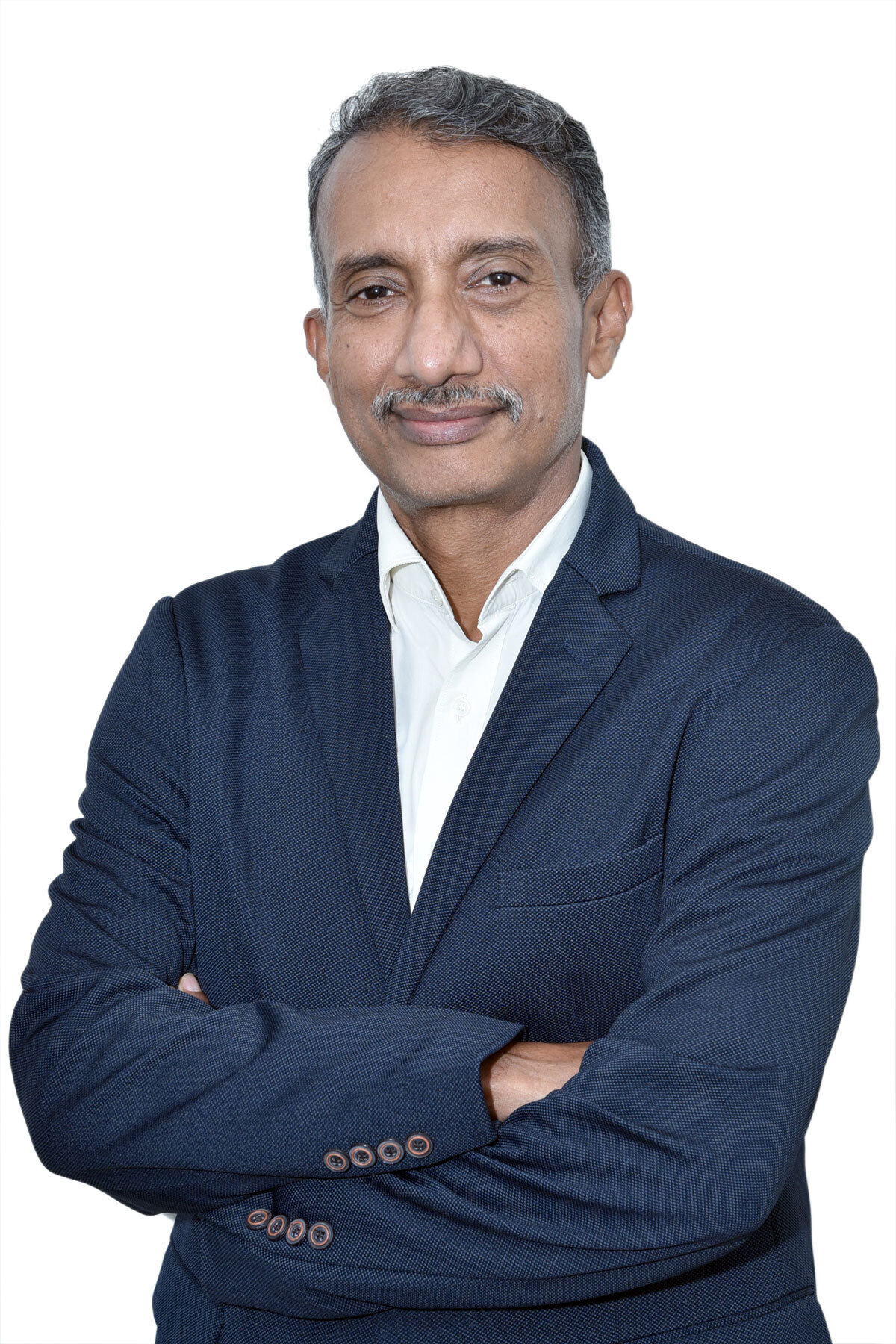
"Sintex has been a well-recognised brand for over five decades, and that kind of trust gets built only over a long period of consistent delivery," he says. That statement, in many ways, sets the tone for how he approaches leadership. The starting point is not disruption, but clarity on what should not change.
For Mazumdar, the real challenge lies in striking a balance. Markets evolve, customer expectations shift, and no organisation can afford to remain static. But change, he believes, works best when it does not feel forced. "The effort should be to make the business more relevant for the future while retaining the core identity that people associate with the brand."
This idea of continuity alongside change is something he returns to often. Transformation, in his view, is rarely a single event. It is a gradual process. "If people can see continuity along with change, the organisation adapts much more positively," he explains. It is as much about perception as it is about strategy.
One of the more striking aspects of Mazumdar's leadership philosophy is how strongly he leans towards simplicity. Ask him about lessons that have stayed constant, and the answer is immediate. "Keep life simple."
It may sound obvious, but in large organisations, simplicity is often the first thing that gets lost. Layers of communication, multiple priorities, and constant firefighting can dilute focus. Mazumdar believes clarity cuts through that noise. "Simple thinking and clear communication help teams stay focused and execute more effectively."
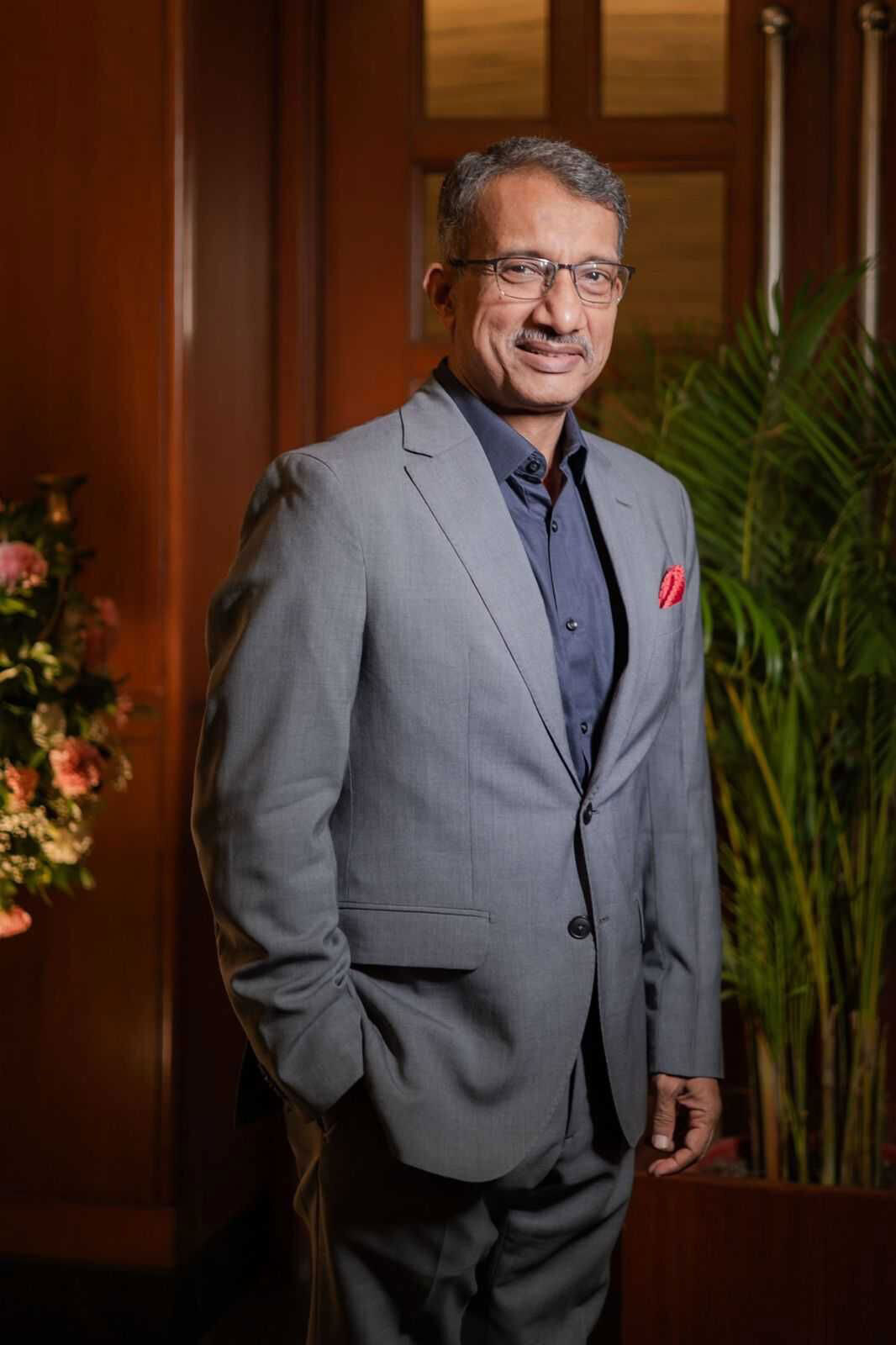
This clarity becomes even more critical when organisations are trying to grow or transform. According to him, the difference between steady growth and real transformation often starts at the top. Leaders who are willing to experiment, who are not overly attached to past success, tend to create more dynamic organisations.
"Such leaders don't get too comfortable with what has worked in the past," he says. "They have the hunger to experiment, and they keep raising the bar." That mindset, combined with agility, becomes a powerful driver. The speed at which companies respond to change, and how effectively they adapt, often determines how far they can go.
But Mazumdar is quick to point out that leadership intent alone is not enough. For transformation to sustain, it has to move beyond the top layer. It needs to become part of the culture. "When brands build entrepreneurial capability across levels, where people take ownership and think beyond their immediate roles, transformation becomes more sustained."
That sense of ownership is closely linked to how connected leaders remain to the market. In sectors like polymers, where the end user is not always visible, it is easy to rely heavily on data and reports. Mazumdar does not dismiss these tools, but he does not rely on them entirely either.
"Nothing can replace physical market visits when it comes to discovering the pulse of the markets," he says. There is a level of nuance that numbers alone cannot capture. Conversations with distributors, dealers, contractors, and even end users often reveal insights that structured reports miss.

For him, staying connected is not a one-time exercise. It is an ongoing process. "I like to meet people, talk to them and learn what drives their interests." This constant engagement helps keep his understanding grounded and current, even in a category that can feel one step removed from the consumer.
Inside the organisation, building the right mindset comes down to a simple but often overlooked factor. Trust. "It all starts with the confidence you place in your people," he says. When individuals are given the space to think and the authority to act, ownership tends to follow naturally.
However, trust without direction can lead to confusion. That is where clarity of purpose becomes important. People need to understand what they are working towards and why it matters. When that alignment exists, initiative does not have to be forced. It becomes part of how teams operate.
Decision making, too, reflects this balance between structure and instinct. Mazumdar does not believe in a fixed formula. "There is no one size fits all when it comes to decision making," he says. Different situations demand different approaches.
At a strategic level, data and analytics often play a significant role. But in operational scenarios, speed can be just as important. Over time, experience begins to shape how these choices are made. "The art lies in knowing which lever to prioritise in a given situation."
The same balance is visible in how he looks at discipline and innovation. Organisations often struggle to encourage bold thinking without losing control over processes. Mazumdar does not see these as conflicting priorities.
He uses a simple analogy to explain this. Running an organisation, he says, is like managing a Formula One race. There are multiple moving parts, and timing becomes critical. "When to hit the gas, when to hit brakes are skills that only experience can teach you."
Innovation, in this context, is not about taking reckless risks. It is about making calculated bets. Evaluating potential outcomes, thinking long term, and ensuring that teams feel confident enough to experiment. "I ensure that my decisions spark confidence in my people to try out new things," he says, adding that due diligence and risk management remain essential.
Sustainability is another area where expectations have changed significantly. What was once seen as an additional responsibility is now central to how businesses operate. Mazumdar acknowledges this shift, noting that companies today are expected to create value for a broader set of stakeholders.
"The polymer industry is no exception to this trend," he says. There is increasing focus on developing solutions that are both efficient and environmentally responsible. Technology and awareness have played a role in pushing these conversations forward.
He also points to examples within the broader ecosystem where sustainability has been integrated into operations in a meaningful way. The idea is not just to meet regulatory requirements, but to embed responsibility into everyday business practices.
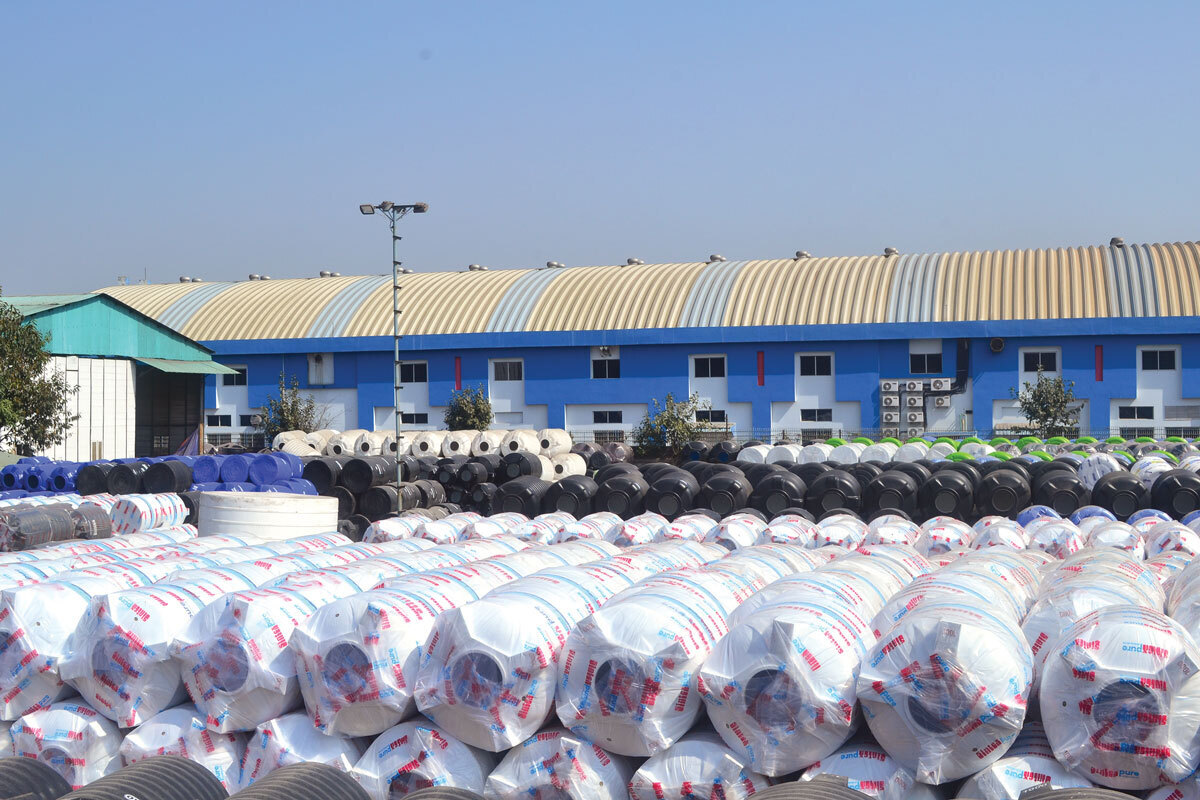
Recent global disruptions have further changed how companies think about resilience. Events such as the pandemic and geopolitical tensions have exposed the risks of rigid supply chains. As a result, there is a growing emphasis on flexibility.
"Diversification and decentralised operations are the key transitions," Mazumdar observes. Companies are looking to reduce dependence on single sources, improve visibility on inventory, and respond more effectively to disruptions. The challenge, however, lies in doing all this while managing costs.
Looking ahead, he believes that local understanding will be a defining factor for success. India is not a uniform market, and strategies need to reflect that diversity. "What works in one segment doesn't always translate to another," he says.
At the same time, technology is becoming increasingly central to operations. Tools such as artificial intelligence and digitisation are no longer optional. Companies that are able to use them in a practical way are likely to keep pace with change more effectively.
Mazumdar's own journey has been shaped by his time at organisations like Asian Paints and Pidilite Industries. These experiences provided early exposure to structured thinking and market driven strategies, while also encouraging an entrepreneurial mindset.
Outside of work, he turns to long distance running to stay grounded. It is an activity that demands patience and consistency. "You don't look for quick outcomes, you get used to pacing yourself," he says. The parallels with leadership are not hard to see.
It also offers opportunities to interact with younger generations, whose perspectives often differ. These conversations, he notes, provide useful insights into how expectations are evolving.
In the end, Mazumdar's approach does not rely on grand statements or sweeping changes. It is built on a few consistent ideas. Stay simple. Stay connected. Stay adaptable. For a legacy brand like Sintex, that may well be the most practical way to move forward.