India's food service industry is undergoing a remarkable transformation. New airports, expanding food courts, booming coffee chains, cloud kitchens, highway hospitality projects and a new generation of ambitious entrepreneurs are reshaping how the country eats and dines. Sitting at the intersection of this growth story is Trufrost and Butler, a company that has quietly emerged as one of the fastest growing players in commercial food service equipment.
For Co-Founder and Managing Director Neeraj Seth, the opportunity is clear. As restaurants, cafes, bakeries and cloud kitchens scale across the country, the need for reliable, technology-driven equipment has never been greater.
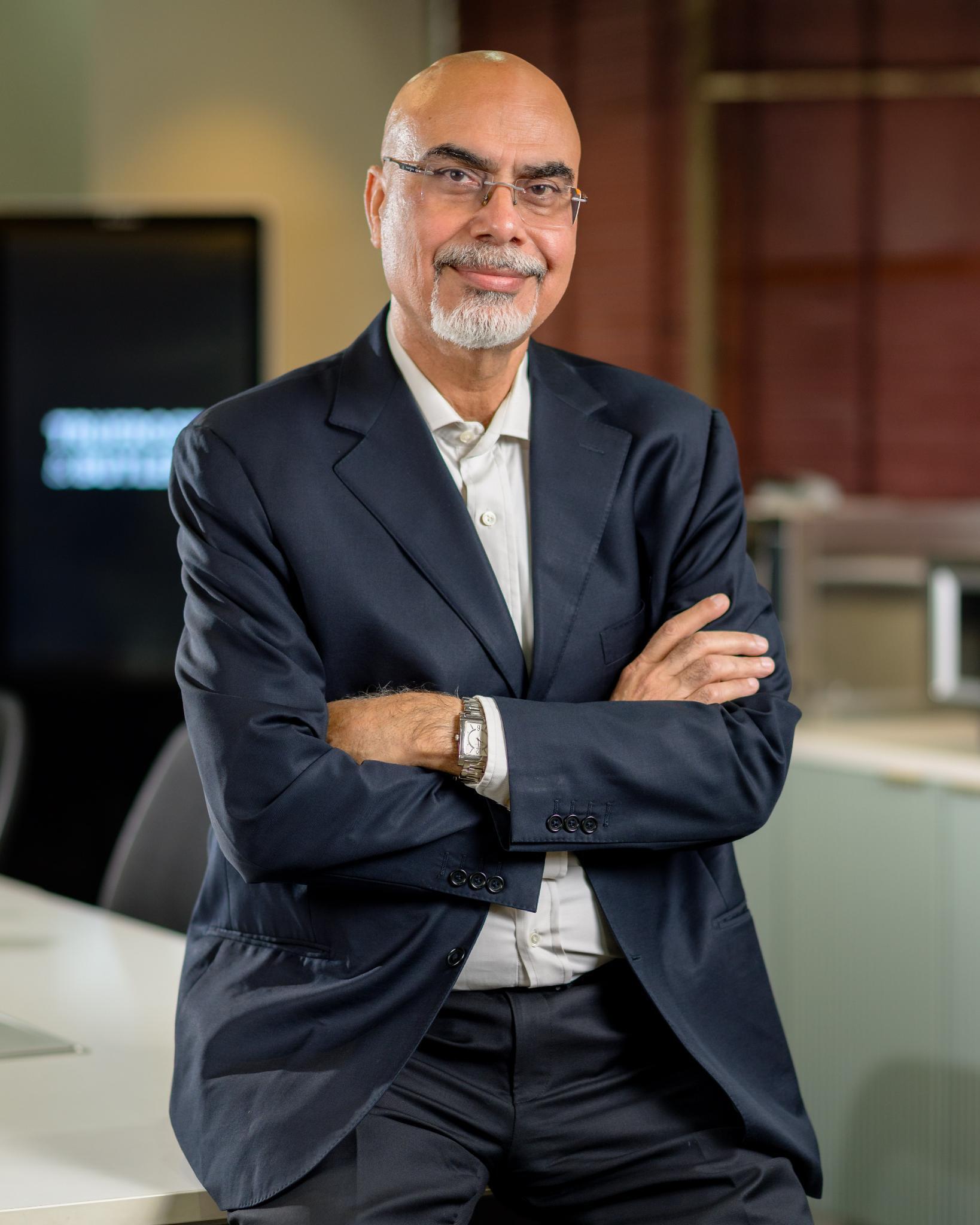
Neeraj Seth, Co-Founder and Managing Director, Trufrost and Butler
The company is targeting significant growth over the next three years, supported by a strategic shift that began when it brought in private equity partner Carpediem Capital Partners. According to Seth, the decision was driven by a need to address one of the company's biggest challenges: stock shortages.
"The acceptance of our brand was growing rapidly, but product availability was becoming a constraint," he explains. "We realised that if we wanted to serve customers better and grow faster, we had to strengthen manufacturing, improve service capabilities and build larger inventories."
The strategy appears to be paying off. Over the last ten months, the company has reported sales growth of around 60 per cent year on year, making it one of the fastest growing businesses in India's food service equipment segment.
A key pillar of the next phase of growth is localisation. For years, Trufrost and Butler relied heavily on imports. Now, the company is steadily shifting towards domestic manufacturing, aligning itself with India's broader manufacturing ambitions.
Seth believes localisation is not merely a cost advantage but a long-term strategic necessity. While components such as cables, plugs, refrigerants and packaging materials are already moving towards local sourcing, the company intends to deepen its manufacturing footprint over time.
India's strengths in areas such as motors and component manufacturing provide a strong foundation for this transition. The goal, according to Seth, is to reduce import dependence significantly over the next five years.
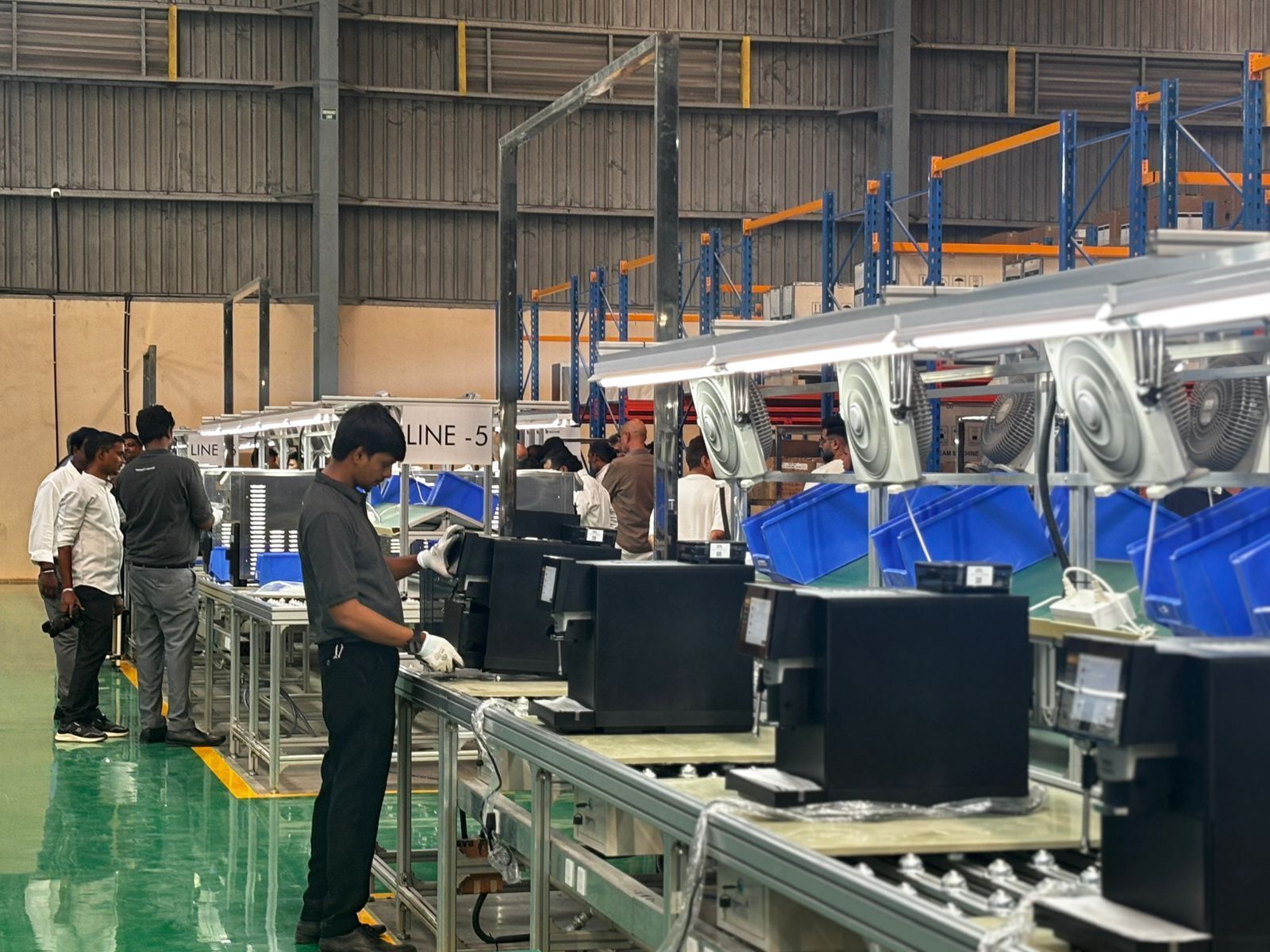
The company's commitment to manufacturing is reflected in its newly established facility, spread across more than 100,000 square feet. The plant integrates manufacturing, warehousing and advanced testing laboratories designed to meet stringent quality and certification requirements.
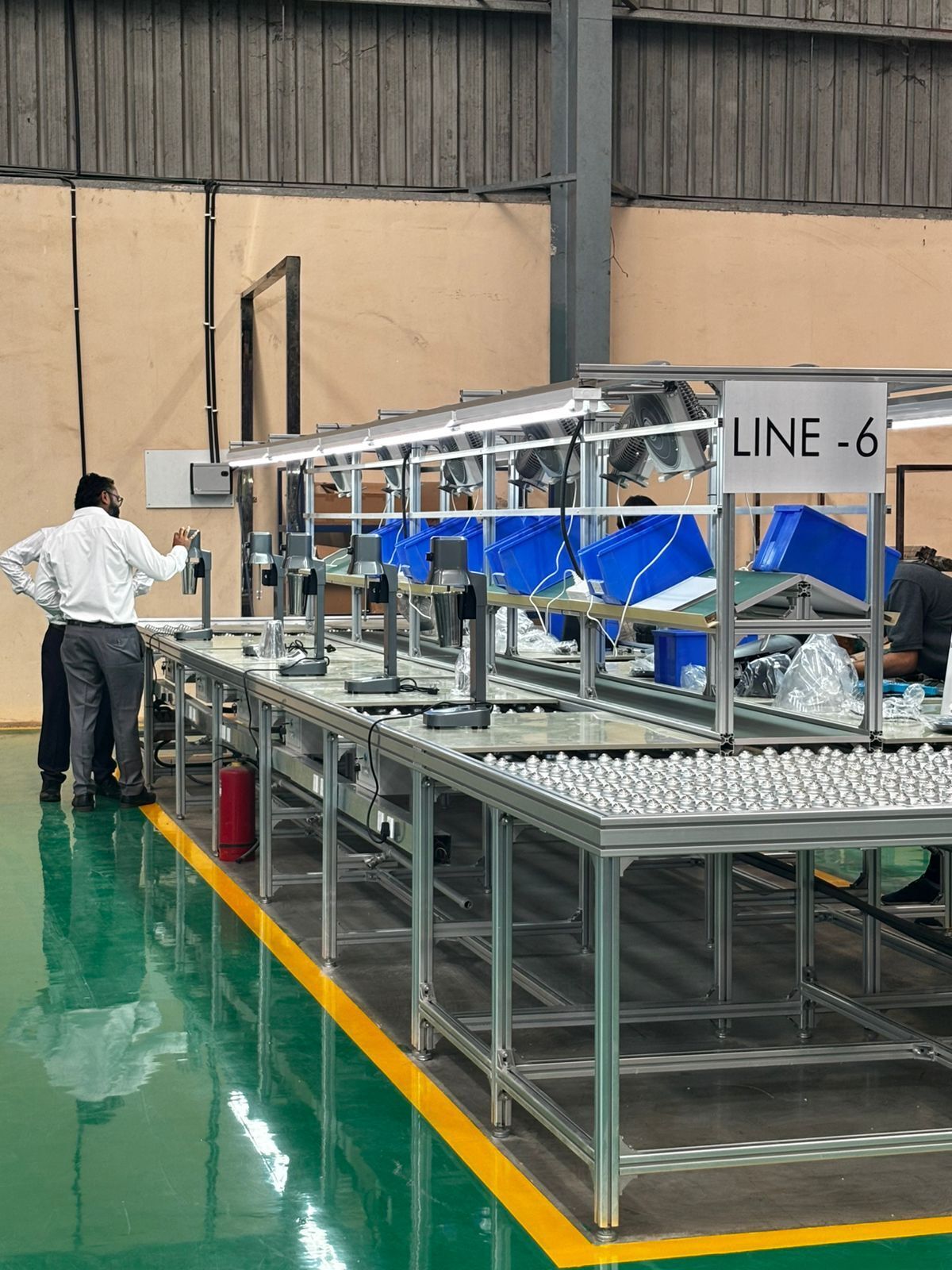
For Seth, this investment is about much more than production. It is about creating a sustainable competitive advantage in a market where quality, service and responsiveness increasingly determine success.
The broader industry backdrop also supports his optimism. Hospitality and food service continue to attract investment across multiple formats. Hotels are expanding, coffee chains are multiplying, quick service restaurants are scaling, and delivery-focused businesses are becoming larger and more sophisticated.
Companies such as Starbucks, Third Wave Coffee, Chai Point, Rebel Foods, Curefoods, Zepto and numerous regional restaurant brands are all contributing to a vibrant ecosystem that requires specialised commercial equipment.
Yet Seth believes the real opportunity lies beyond large international chains.
When Trufrost and Butler entered the market, many global food service brands relied on expensive imported equipment from Europe and North America. While those solutions worked for multinational chains, they often proved too costly for Indian entrepreneurs trying to build scalable businesses.
This is where Seth saw a gap.
Rather than focusing exclusively on multinational customers, the company chose to work closely with Indian founders and operators. Businesses such as cloud kitchens, regional restaurant chains and emerging café brands needed not just products, but also guidance and operational support.
According to Seth, many entrepreneurs have strong business ideas but often lack access to reliable technical advice when setting up kitchens and food service operations. Bridging that knowledge gap has become a major part of the company's value proposition.
The company's understanding of Indian consumer behaviour also shapes its product development philosophy. Seth believes that while international manufacturers build products suited to their home markets, Indian businesses require solutions tailored to local realities.
Food concepts that resonate with Indian consumers often differ markedly from those seen elsewhere. Whether it is regional quick-service formats, specialised café concepts or high-volume local food chains, the requirements are unique. Understanding those nuances, he argues, gives Indian companies an important advantage.
Technology is another area where the company is investing aggressively. One of the biggest challenges in the food service industry has always been consistency. A talented chef can create an exceptional dish, but replicating that same quality across hundreds or thousands of locations is far more difficult.
Seth believes technology provides the answer. Smart refrigeration systems, advanced ovens and standardised cooking processes help businesses maintain quality and consistency at scale. As restaurant brands expand, these capabilities become increasingly valuable.
Looking ahead, the company is also preparing for international expansion. While India remains the primary focus, Trufrost and Butler have already entered markets such as Nepal, Bhutan and Sri Lanka. The next phase includes expansion into the UAE, followed by Europe.
Despite these ambitions, Seth remains firmly focused on a simple long-term vision: becoming the most admired and trusted equipment partner for the hospitality industry.
From luxury hotels and premium cafés to cloud kitchens and regional food chains, the company aims to support every segment of India's evolving food ecosystem. As consumer tastes continue to diversify and food businesses seek smarter ways to scale, Trufrost and Butler are positioning themselves as an Indian company built for Indian realities.
In an industry where food consumption remains resilient regardless of economic cycles, Seth sees a long runway for growth. If India's food service sector continues its upward trajectory, companies that combine manufacturing, technology, service and local understanding could well define the next chapter of the industry's evolution.