Manufacturing is often spoken about in numbers. Capacity, utilisation, cost curves, margins. Yet the forces that truly shape manufacturing organisations are less visible. They sit in leadership choices made during downturns, in the patience to build people before scale, and in the discipline to grow without destabilising what already works. These quieter decisions define the difference between companies that endure and those that merely expand.
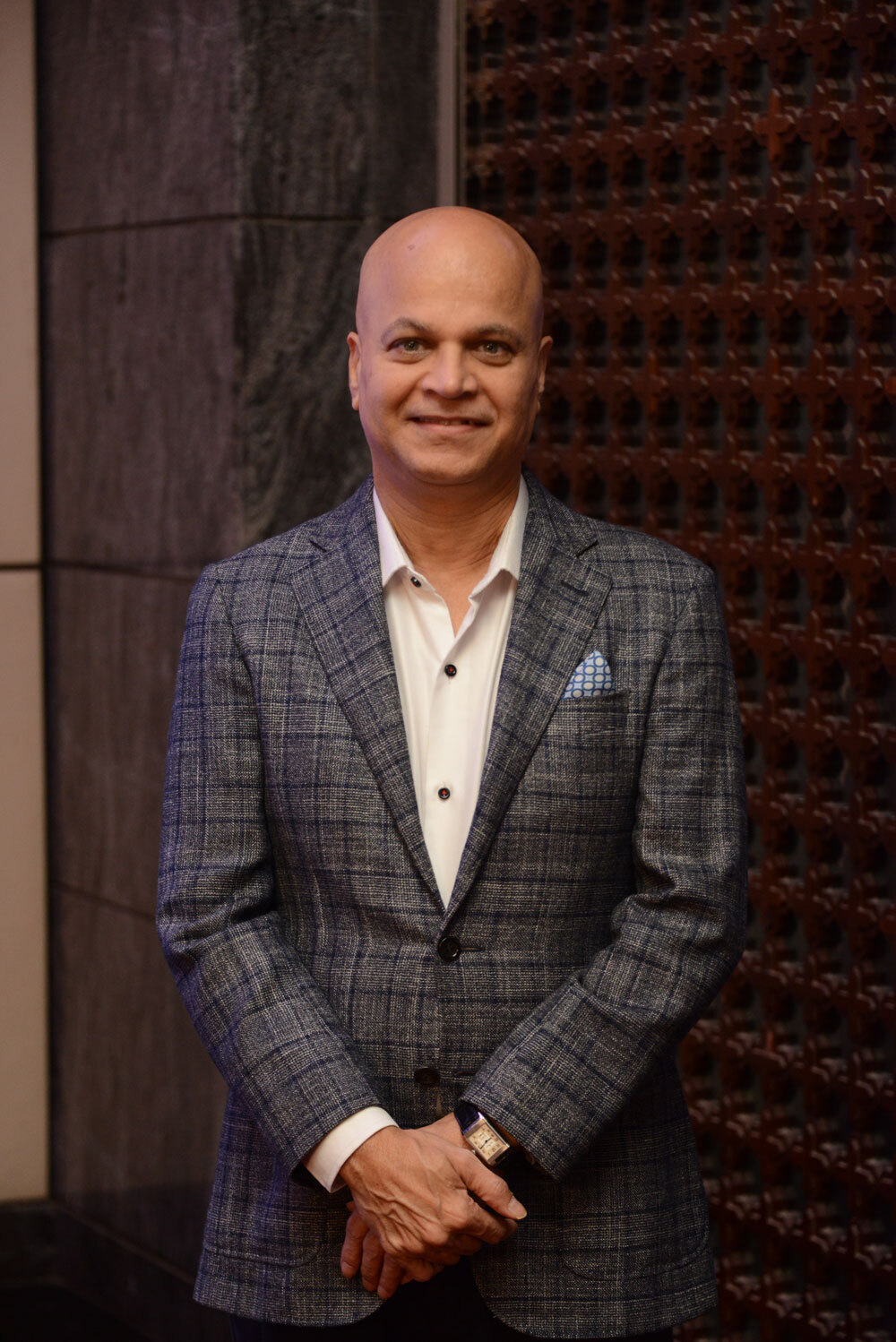
For Sunil Koparkar, Managing Director of IAC International Automotive India, manufacturing leadership has always been about this balance. His years in India have coincided with some of the most turbulent and transformative periods the automotive sector has seen. Electrification, material innovation, sustainability expectations, supply-chain volatility, and intense competition for talent have all converged at once. Yet Koparkar's approach has remained grounded, steady, and deeply people-centric.
Rather than chasing disruption, he has focused on continuity.
Growth that protects the core
When IAC entered into a partnership with UMass in 2023, the objective was not cosmetic change or short-term momentum. Growth had slowed, and the organisation needed new pathways. But the solution, Koparkar emphasises, was never about dismantling what existed.
"The relationship was purposely, strategically designed to continue our growth in India, which was not happening," he said. What makes this partnership distinctive is what it chose not to do. From the very beginning, both sides agreed that leadership continuity and organisational stability would not be compromised.
"We agreed that we will have a team called continuity, stability and growth," Koparkar explained. There would be no external appointments imposed on the business. The management team would remain intact. IAC would continue operating independently, while gaining access to new OEM relationships through UMass.
This clarity mattered. In manufacturing, leadership disruption can ripple across operations, suppliers, customers, and talent pipelines. Koparkar's insistence on stability created confidence internally while opening doors externally. Growth, in this model, is additive rather than invasive.
Expansion with a purpose
In an industry where expansion is often equated with footprint, Koparkar's view is more nuanced. Physical proximity to customers is essential, especially when producing large automotive components. "Our parts are very large, so we like to be close to the customers where we are," he said.
But each new facility also serves a strategic role beyond geography. Rather than replicating capabilities, IAC is building centres of excellence. One such plant focuses exclusively on what Koparkar calls "premierisation."
Soft-touch interiors, finishes, and tactile elements increasingly define how customers perceive quality. "That particular plant will be supplying to all the OEMs for any premierisation of the segment," he noted. It reflects a shift in automotive value creation, where emotional experience now sits alongside engineering robustness.
This approach underscores a broader truth. Manufacturing excellence today is not just about making parts. It is about shaping perception.
Preparing for electrification without overcommitting
Electrification has introduced a paradox for suppliers. While the direction of travel is clear, specifications, architectures, and timelines continue to evolve. Koparkar's response has been deliberately cautious and design-led rather than investment-heavy.
"We are using long glass fibre composites which are readily available and using them on conventional injection moulding machines," he explained. This allows IAC to respond to changing requirements without locking itself into technologies that may soon be outdated.
Equally important is design innovation. Weight reduction is no longer driven only by materials, but by geometry. Thinner walls, honeycomb structures, and integrated assemblies allow performance targets to be met while maintaining flexibility.
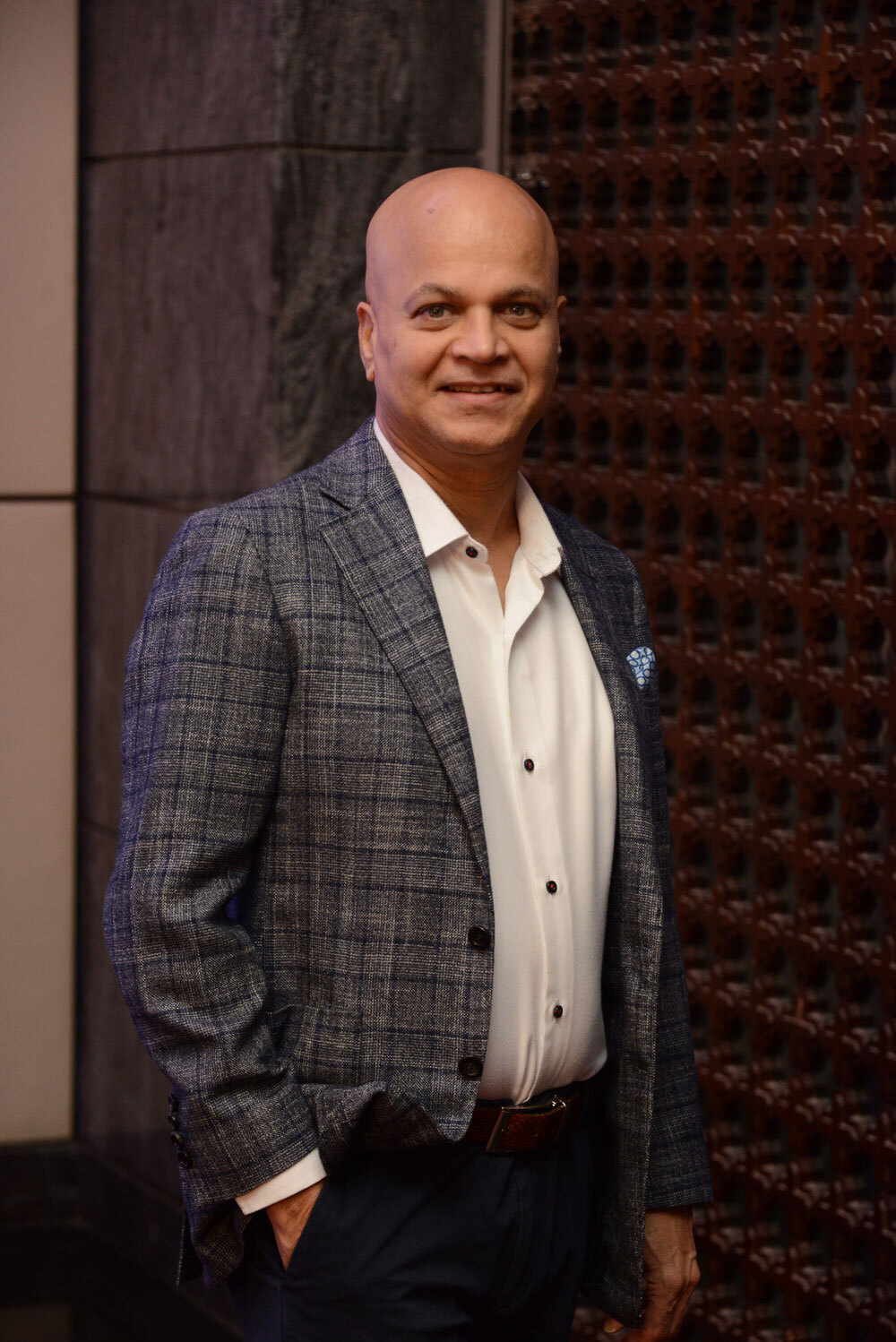
Koparkar also shared that IAC is currently working on programmes that integrate structural elements directly into cockpits and instrument panels. This approach, still emerging in India, points to a future where interiors are engineered as systems rather than assemblies.
Sustainability through realism
Sustainability often arrives wrapped in ambitious claims. Koparkar takes a more measured stance. "We are doing smaller things at this point," he said, without hesitation.
Those smaller steps, however, are rooted in thoughtful engineering. Material choices increasingly favour recyclability. Design philosophies are shifting away from permanent joints like welding. "We will look at snap-fit designs or screws that can be removed," he explained.
These changes serve multiple purposes. They improve recyclability, enhance serviceability, and align better with Indian operating conditions where repairability is critical. Sustainability, in this context, is not a standalone objective. It is embedded into design logic.
Building suppliers, not just sourcing from them
IAC's supplier ecosystem in India has been shaped over more than a decade. Since entering the country in 2008, the company has focused on transferring global knowledge to local partners.
"We brought global technology and educated suppliers on changes in processes, products, and quality expectations," Koparkar said. Over time, this consistent engagement has paid off. Suppliers have become more confident, more capable, and more aligned with global standards.
For Koparkar, this is non-negotiable. "Strategic partnerships from OEM to Tier 1 and Tier 1 to Tier 2 are absolutely necessary," he emphasised. Manufacturing strength, he believes, is not built in isolation. It is a shared endeavour across the value chain.
Talent, continuity, and culture
Talent scarcity is one of the most pressing issues facing manufacturing today. IAC's response is neither aggressive hiring nor short-term fixes. Instead, the company invests steadily in graduate trainees across departments, accepting that some attrition is inevitable.
What keeps people anchored, Koparkar believes, is culture. "We empower teams and almost make them business owners," he said. This empowerment fosters accountability and accelerates growth.
Equally important is continuity. Senior leaders remain deeply involved, guiding new talent and preserving institutional knowledge. Even as competition intensifies and offers grow larger, Koparkar believes culture remains a powerful differentiator.
Lessons from a downturn
Some of the most defining moments in leadership emerge during adversity. Koparkar's arrival in India in 2018 was followed by a sharp market downturn. "I was presented with this glorious business plan," he recalled, "except 2019 saw a massive dip."
Rather than retreat, the organisation focused inward. Alignment, continuous improvement, and operational discipline became priorities. The result was unexpected. "We were actually able to produce net profit of the original business plan," he said.
More importantly, the experience reshaped how the organisation prepares for uncertainty. The question became not whether downturns would come, but how quickly teams could adapt when they did.
Staying ahead of disruption
Koparkar has long believed that waiting for disruption is a risk in itself. Even as electronics began reshaping automotive interiors, IAC anticipated change. "We knew we might be replaced," he said, referring to traditional components.
Instead of resisting this reality, the company leaned into it. Conversations around electronics and ambient lighting began years earlier. Today, those discussions are reflected in production programmes.
This ability to anticipate rather than react defines Koparkar's leadership philosophy.
The need for a broader manufacturing ecosystem
Beyond IAC, Koparkar sees an opportunity for Indian manufacturing to collaborate more deeply. OEMs, suppliers, toolmakers, and technology providers often operate in silos.
"Somewhere, there should be a forum to bring all these people together," he said. Greater integration, he believes, will accelerate learning and growth across the sector.
As India's manufacturing sector prepares for the decades ahead, Sunil Koparkar's reflections offer a quiet counterpoint to the noise of disruption. Progress, his experience suggests, is built through steady leadership, empowered teams, and the discipline to evolve without losing direction.
In an industry defined by constant change, steadiness itself has become a strength.